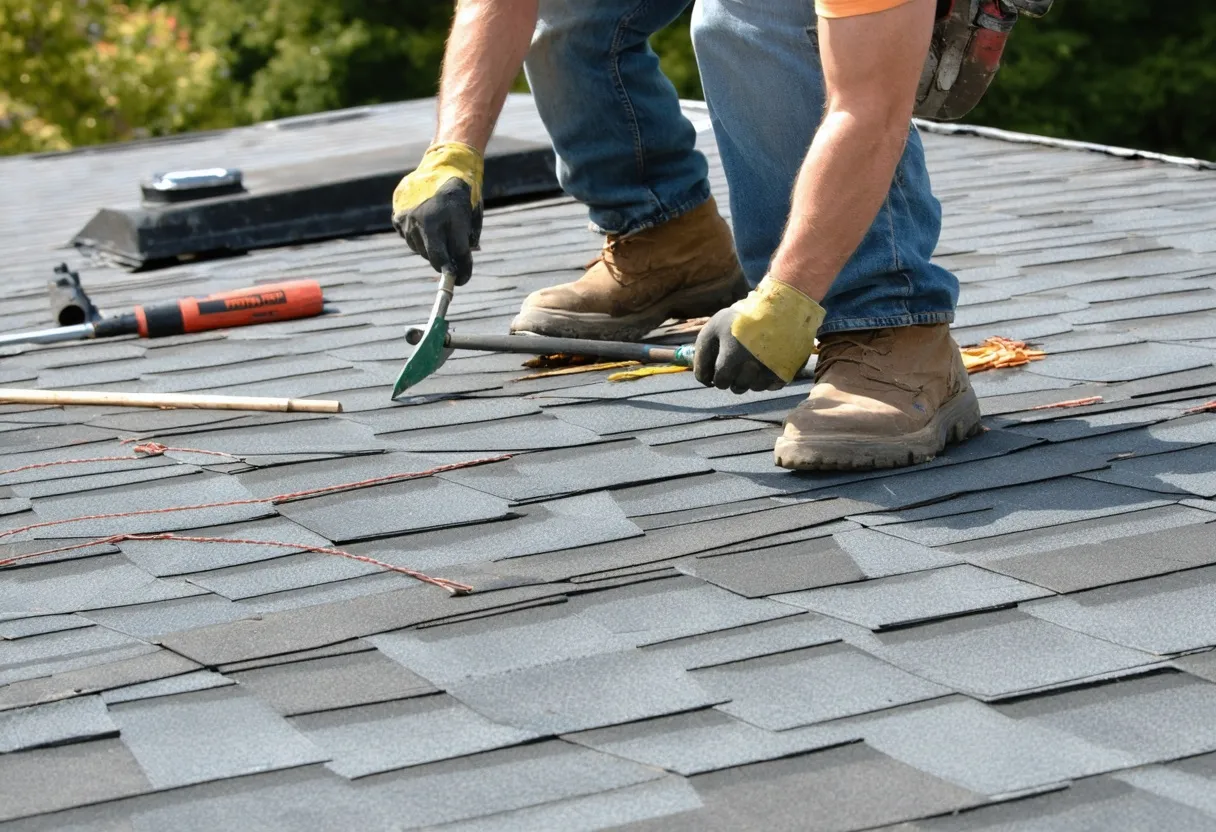
When a Spokane roof reaches the end of its service life, the decision to replace it is rarely simple. Between material choices, contractor claims, and the sheer cost of the project, homeowners need straight answers -- not sales pressure. This page walks through exactly what a full roof replacement in Spokane involves, what drives the price up or down, and how to vet a contractor before a single shingle comes off your house. Every recommendation here is tied to manufacturer-certified installation standards -- GAF Master Elite, Owens Corning Preferred, and Duro-Last -- paired with published cost ranges, because transparency is the entire point of how we do business.
Why Roof Replacement Looks Different in Spokane
Eastern Washington's climate is hard on roofing systems. Heavy wet snow loads in winter, freeze-thaw cycles that force ice under shingle edges, and summer wind and hail events all accelerate wear in ways that milder climates simply don't experience. A roof that might last 30 years in a temperate coastal market can show granule loss, flashing failure, and deck rot years earlier here if it wasn't installed correctly the first time. That's the backdrop for every recommendation on this page: material and installation choices need to be matched to what this region actually throws at a roof, not a generic national average.
What a Full Roof Replacement Includes
"New roof installation" is more than swapping old shingles for new ones. A properly executed roof replacement in Spokane includes:
- Tear-off and disposal of all existing roofing material down to the deck
- Deck inspection and replacement of any rotted, delaminated, or water-damaged sheathing
- Installation of synthetic or felt underlayment rated for the local climate
- Ice-and-water shield along eaves, valleys, and penetrations -- critical in a region with regular freeze-thaw cycling
- New drip edge, flashing, and pipe boots
- Ridge and soffit ventilation correction where the existing system is undersized
- Installation of the chosen roofing material to manufacturer specification
- Full site cleanup, including magnetic nail sweep
Skipping any of these steps is how a "cheap" roof replacement turns into a callback two winters later. If you're not sure whether your existing roof needs full replacement or just targeted repair, a professional roof inspection in Spokane is the right first step -- it tells you honestly which category your roof is in before any money changes hands.
Signs Your Roof Needs Replacing, Not Just Patching
Homeowners often wait too long because a leak seems minor. Here's what actually signals a roof is past the point of repair:
- Granule loss heavy enough that gutters fill with black grit -- the shingle's UV protection is gone
- Curling or cupping shingles, especially on south- and west-facing slopes exposed to the most sun
- Cracked or missing shingles across multiple areas rather than one isolated spot
- Daylight visible through the attic deck or staining on attic sheathing
- Sagging rooflines, which can indicate deck or structural damage
- Repeated leak repair in the same area -- a sign the underlying deck or flashing has failed
- Roof age past 20-25 years for asphalt shingle systems, even without visible damage
- Ice damming along the eaves every winter, which points to inadequate ventilation or insulation as much as the roof surface itself
If you're seeing one or two of these, a repair may still make sense. If you're seeing several at once, replacement is almost always the more cost-effective path over a 10-year horizon.
Roof Repair and Leak Repair vs. Full Replacement
Not every roof problem calls for a full tear-off. Isolated flashing failures, a handful of storm-damaged shingles, or a single active leak are usually a repair job, and a straightforward one at that. The judgment call is whether the rest of the roofing system still has useful life left in it. We evaluate deck condition, shingle granulation, and flashing integrity before recommending either path -- a repair-first approach when it's honestly the better value, and a replacement recommendation when patching would just be deferring the same cost with added labor on top.
How the Replacement Process Works, Step by Step
- Free on-site estimate. A certified inspector walks the roof, documents its condition with photos, and measures the full system -- slopes, penetrations, ventilation, and flashing points.
- Material selection. You choose the system based on budget, aesthetics, and performance needs, with guidance on what actually holds up in Eastern Washington conditions.
- Written proposal. A itemized quote covering material, labor, disposal, permits, and warranty terms -- no verbal-only estimates.
- Scheduling. Most residential replacements are scheduled within one to three weeks depending on season; spring and fall book up faster due to storm-repair demand.
- Tear-off and deck inspection. Old material comes off in a single day for most homes, with any deck damage flagged and priced before it's covered up.
- Installation to manufacturer spec. Underlayment, flashing, ventilation, and the finish material go on in the sequence and fastening pattern required to keep the manufacturer warranty valid.
- Final walkthrough and cleanup. Magnetic sweep for nails, debris removal, and a joint inspection with the homeowner before the job is marked complete.
Most single-family roof replacements in the Spokane area take one to two days of on-site work, weather permitting.
Materials: Asphalt Shingles, Metal, and Single-Ply Membrane
Material choice affects cost, lifespan, and how the roof performs against local snow and wind loads. In broad terms:
- Asphalt shingles remain the most common choice for Spokane homes -- a strong balance of cost, appearance, and a 25-30 year lifespan when installed with proper ventilation and ice-and-water protection.
- Metal roofing sheds heavy snow far more effectively than shingles and can last 40-plus years, making it a strong option for homeowners planning to stay long-term or dealing with steep or high-snow-load rooflines. See our dedicated breakdown of metal roofing options in Spokane for panel types and pricing.
- TPO and other single-ply membranes are the standard for low-slope and flat sections -- common on additions, porches, and some ranch-style homes -- offering strong reflectivity and seam-welded water resistance.
Because the right material depends heavily on roof pitch, sun exposure, and budget, we put together a full roofing materials comparison for Spokane homeowners that goes deeper into lifespan, maintenance, and cost per material.
Certifications and Manufacturer Credentials
Manufacturer certification isn't a marketing badge -- it determines what warranty coverage you actually qualify for. GAF Master Elite certification is held by a small percentage of roofing contractors nationally and requires proven installation quality, licensing, and insurance to maintain. Owens Corning Preferred Contractor status and Duro-Last certified installer status carry similar requirements for their respective systems. Working with a GAF Master Elite certified contractor in Spokane matters most when it comes time to file a warranty claim -- non-certified installations frequently void the enhanced manufacturer warranty tiers entirely, leaving you with only the bare material warranty instead of full system coverage.
Warranty: What a 10-Year Workmanship Guarantee Actually Covers
Material warranties from manufacturers cover defects in the shingles, metal panels, or membrane itself. They do not cover installation errors. That's what a workmanship warranty is for. A 10-year workmanship warranty backs the labor and installation quality -- flashing, fastening, ventilation, and sealing -- separately from the material. Before hiring anyone, ask exactly what their workmanship warranty covers, whether it's transferable if you sell the home, and whether it's backed by the company or a third party. Combined with manufacturer-certified installation, this is what separates a roof that performs for its full rated lifespan from one that develops leaks at year eight.
What Affects Roof Replacement Cost
There's no single number that applies to every home. The full roof replacement cost in the Spokane market depends on:
- Roof size and pitch -- steeper slopes require more safety equipment and labor time
- Material choice -- asphalt shingles, metal, and membrane systems occupy very different price bands
- Deck condition -- rotted sheathing discovered during tear-off adds material and labor cost
- Number of layers being removed -- tearing off two layers of old shingles costs more than one
- Ventilation and flashing upgrades needed to bring an older roof up to current code and manufacturer spec
- Accessibility -- steep grades, multiple stories, or limited equipment access
- Permit and disposal fees, which vary by jurisdiction
Because pricing varies so much by these factors, we publish a full breakdown at roofing cost guide for Spokane rather than quoting a single "starting at" number that doesn't hold up once an inspector actually sees your roof. Every estimate we provide is itemized and free, with no obligation to move forward.
Financing Options
A full roof replacement is a major expense, and few homeowners want to pay it in a single lump sum. Financing plans let you spread the cost over months or years, often with promotional no-interest periods for qualified buyers. Terms vary based on credit and loan amount, and it's worth comparing a financed monthly payment against the cost of continuing to patch a failing roof. Details on available plans, typical terms, and how to apply are covered on our roof financing page for Spokane homeowners.
Insurance Claim Coordination: The Storm-Damage Playbook
Eastern Washington's winter and storm climate means wind, hail, and heavy snow load damage are a regular reason homeowners need a roof replacement well ahead of schedule. When that happens, insurance is often the primary funding source -- and insurers don't always make that process easy. Here's how we handle it:
- Document the damage immediately. Photos and a written damage assessment, dated and detailed, before any repair work begins.
- Meet the adjuster on-site. Having your contractor present when the insurance adjuster inspects the roof means damage doesn't get underestimated or missed on hard-to-see slopes.
- Review the adjuster's scope. We compare the insurer's proposed scope of work against what the roof actually needs and flag discrepancies before you sign anything.
- Supplement if needed. If the initial claim underpays for the real scope of damage, we help prepare supplemental documentation to support a revised claim.
- Coordinate the replacement timeline around your deductible, approved scope, and material availability.
This process is especially relevant for homeowners in storm-prone stretches of the region, where hail and wind events can damage multiple roofs on the same block in a single storm cycle.
Request your roof assessment
Tell us about your roof and we'll walk you through materials, cost range, and insurance options if you need them.
More roofing services
Ready to see your options?
Get a clear look at your roof, your material choices, and your cost range — no pressure to decide today.